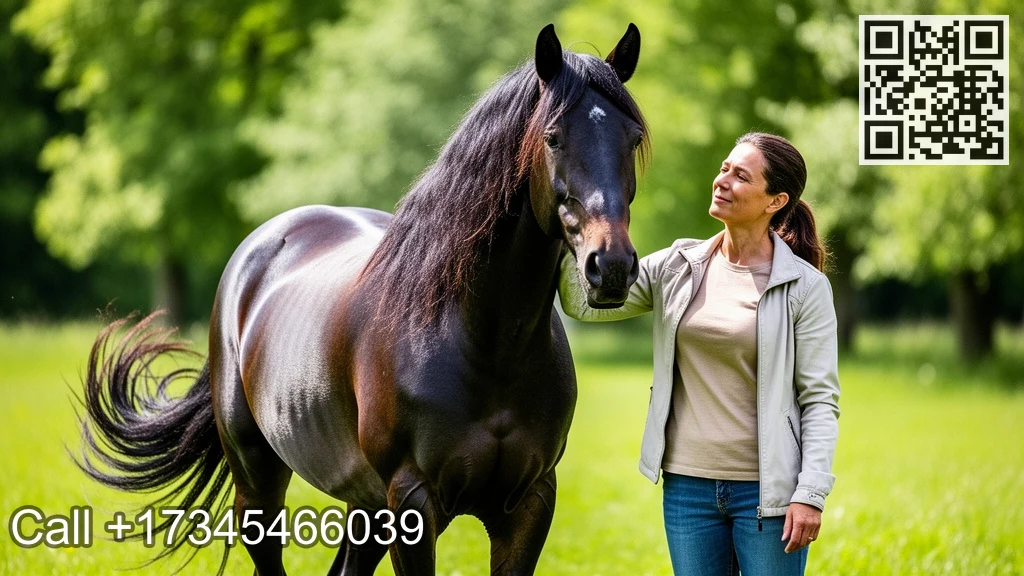
The first time I viewed a grown-up beginner stand beside an equine and locate their breath, nothing was happening and everything was occurring. No riding yet, no expensive workouts. Just a lady who had actually been living in fight-or-flight for several years, palm on a bay gelding's shoulder, observing her heartbeat sluggish. The equine yawned, she chuckled, and a crease throughout her brow softened. She later on told me that minute instructed her more concerning soothing her nerves than a dozen apps.
Therapeutic horsemanship is not magic. It is sensible, body-based discovering with a sentient, 1,000-pound mirror. Grownups step into the field for numerous factors, from stress and anxiety alleviation to leadership development to targeted goals like regulating focus or sensory input. The work ranges from brushing and leading to installed abilities, and from equine-assisted coaching to equine-facilitated health. The usual string is straightforward and demanding: you have to appear as you are, and the equine will meet you there.
What healing horsemanship includes
People use different terms, often mutually. In technique, programs sit on a continuum.
At one end, equine-assisted activities focus on learning horsemanship, riding, and foundation in a helpful method. There is a lot of skill structure - haltering, leading, tack selection, balance, clear hints. At the other end, equine-assisted services consist of coaching and health models. Equine-facilitated training tends to be goal-oriented around leadership, interaction, or life transitions. Equine-facilitated health leans into nervous system law, emotional literacy, and relational patterns. Some centers also run an autism equine finding out program for adults that choose direct, sensory-rich comments over talk-only formats. When we develop ADHD equine discovering support, we plan for movement breaks, concrete steps, and prompt, nonjudgmental responses from the horse.
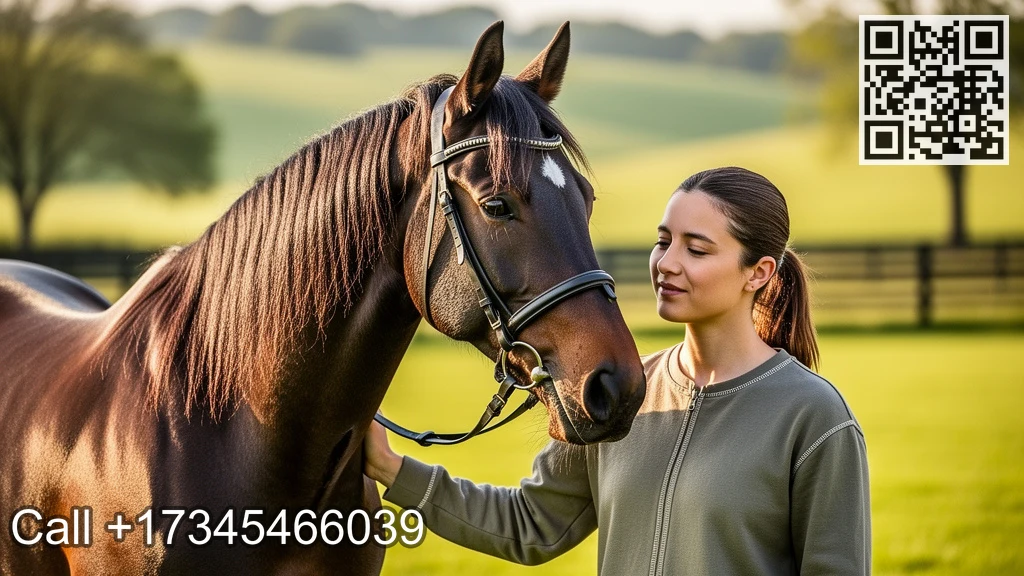
In every one of these, the equine is a co-facilitator, not a prop. The human group may include a coach, an instructor, or a mental health expert depending on the focus. You might ride. You might not. Groundwork usually carries the heart of the knowing due to the fact that it invites eye call, timing, and clear body language without the added motor intricacy of riding.
Why lots of grownups come to the barn
The most common demand I listen to is basic: I require to seem like myself once again. Adults turn up with stress and anxiety that hums under the skin, with late-diagnosed ADHD, with sensory overload from hectic workplaces, with despair after a loss, or with a leadership function that instantly really feels much heavier. Some are horse fans who drifted away after youth. Others have actually never touched a hoof pick.
Horses make good partners for a few factors. They are target animals, so they track refined changes in purpose and power. They reside in the here and now. They appreciate congruence - if you say you are calm however hold your breath and strained your shoulders, a steed will state, in his method, I do not buy it. That instant, truthful feedback is the engine behind experiential understanding with steeds. You can not believe your method via a herd. You need to feel your means and adjust.
For adults with sensory difficulties, the barn can be an alternate therapy for sensory challenges that does not feel professional. Texture, scent, temperature level, weight, sound - the atmosphere supplies a wide combination for rated exposure. You can choose stress from a brushing curry, notification resonance through the lead rope, or method vestibular input at the walk on a soft-backed horse. The work can be slow, consent-based, and tailored to what your system can deal with that day.
A look inside a session
A normal session runs 60 to 90 mins. We start away from the herd to check in - not a long talk, simply enough to establish a focus. After that we go into the field or field with a clear plan and the expectation that we may pivot. The horses constantly get a say.
Here is a common arc for a very first visit.
- Arrival and safety briefing, with a short scenic tour of the steeds and their space. Meet one equine at the fencing, practice requesting for authorization before touch, and discover two brushing tools. Halter and result in the arena, then practice a quit, go, and turn utilizing body movement initially, rope second. Regulate together. This might resemble matching breath beside the barrel or walking in quiet loopholes up until shoulders drop on both sides. Debrief in five minutes, web link one understanding to every day life, and schedule a little between-session experiment.
We do not force end results. Often your win is that you discovered when a task felt too much and you asked to stop briefly. Occasionally it is that you changed one cue and the horse strolled with you as opposed to behind you. We deal with those moments as data. What did your body do right before the steed changed? How may that apply in a tense conference, a congested train, or a challenging discussion with a partner?
Groundwork that sticks
Mounted work fits, yet numerous grownups locate the biggest gains on the ground. Leading a thousand-pound animal with a soft hand requires quality in the hips, feet, and breath. You can not phony rhythm. An equine sees how you arrange on your own. If you hurry, he may crowd. If you freeze, he may stall. When you discover the line in between invitation and insistence, the lead obtains light and the actions match.
For anxiousness assistance with steeds, we frequently construct a program of three or 4 basic challenges. Believe stroll over a ground pole, a stop box, and a cone slalom. The objective is not perfection. It is to see activation rise, apply a selected guideline device, then go back to the job. With time, people construct a reliable series - breathe out much longer, soften knees, expand vision - that they can use in a lift or at the dental expert. The equine gives prompt, unbiased feedback on whether it is working.
Somatic healing with equines appears heavy, yet it is concrete. The body speaks through small shifts. One customer discovered to examine her tongue and jaw when a gelding called Rooster would pin his ears as she tightened her face. When she softened, he licked and ate. She started doing jaw checks prior to her regular staff instruction. The vibrant transformed there too.
Riding, when it fits
Some adults want to ride, and for numerous it helps. At the stroll, the equine produces a rhythmic, three-dimensional motion with the pelvis that can loosen tight hips and back muscular tissues. For grownups with ADHD, the novelty of riding fades quickly, so we combine installed collaborate with tasks that call for interest shifts - count strides in between cones, name colors in sequence, ride a pattern that develops one form each time. Short pieces keep involvement high. We make micro-goals that can be met in 2 to 3 mins, after that stack them.
For adults on the autism spectrum that select mounted work, a silent equine and a predictable regular matter. Aesthetic supports aid - a laminated pattern card, tinted cones that match an order, a basic traffic-light timely for speed. Some choose a bareback pad for even more responses, others desire the security of a saddle. We make a decision with each other, and we honor sensory preferences around safety helmets, boots, and clothing textures while maintaining safety and security non-negotiable.
Coaching for leadership and teams
Equine-assisted coaching and group structure with equines serve teams that want much better interaction and trust. Place a project group in a rounded pen with 2 steeds and a task, and all the conference room practices turn up. Someone over-functions, a person checks out, someone tries to manage the variables. The horses reply to the group, not the org chart. That breaks through posturing much faster than slides ever before will.
I dealt with a sales team that required to collaborate throughout territories. Their task was to direct a steed with a U-shaped barrier without touching the equine. In the initial attempt, the loudest participant took over and the steed drifted away. On the 2nd, they paused, specified duties, and established a hand signal for quit. The equine followed their newly collaborated energy in under a minute. We did not need a lecture on management designs. The experience said all of it: quality, shared hints, and much less noise make a path forward.
For 1:1 leaders, equine-facilitated training highlights harmony. A leader who speaks about empowerment while subconsciously crowding the equine finds out to support, produce area, and welcome instead of push. Those changes map directly to just how they run meetings and give comments. The barn comes to be a laboratory for symbolized authority https://www.hhooves.com/mountedmovement - firm, fair, and attuned.
Safety, authorization, and the horse's welfare
Good programs make safety and well-being noticeable. Headgears are typical for placed sessions, closed-toe boots for all. We maintain herds in healthy and balanced social groups with turnover time, well balanced work, and vet and farrier treatment on schedule. Procedure include horse approval - observing ears, eyes, breath, and body to read yes and no. If an equine says no, we listen. That is not just about generosity to the pet. It versions boundaries for individuals who have been told to bypass their own for years.
Some grownups carry old riding drops or pet anxieties. We do not swagger with that. We break jobs down, begin at range, and enable the nervous system to titrate get in touch with. Allergic reactions and bronchial asthma require plans. Some barns are messy, some use particular bedding or hay that can irritate. Allow your provider know in advance. Most programs can meet you outside, groom in a breezier space, or choose a quieter time of day.
There are restrictions. Weight ability exists for horse welfare, generally established per steed based on develop, physical fitness, and tack fit. If installed job is not appropriate, groundwork still offers abundant knowing. Weather condition issues for security and comfort. Warm, ice, and high winds transform exactly how steeds move and concentrate. Adaptable organizing belongs to the deal.
How the understanding transfers
People typically worry that insights from the field will vaporize back in the city. The treatment is sensible research and sensory supports. A couple of examples from former clients demonstrate how that transfer looks in genuine life.
A procedures manager that would lock her knees under pressure began exercising soft-knee resets at her desk and during quick strolling conferences. She used a lead-rope coil in her pocket as a responsive sign to loosen. A specialist that often tended to over-explain in sessions dealt with two-word hints with a gelding and brought that economic climate to intake meetings. A night-shift registered nurse that felt persistantly late uncovered that her internal clock sped up next to a reactive mare. She established a two-breath regulation before moving an individual, and charting errors dropped.
We additionally make use of pictures or brief videos as reference, except critique but also for pattern recognition. You can enjoy your shoulders lift 2 centimeters on strategy, then see the steed step back. The next session, you catch it in actual time. Over a month or two, individuals construct a personal playbook: three law devices that work, 2 boundary expressions that really feel all-natural, and one personified posture that indicates welcome without collapse.
ADHD, stress and anxiety, and sensory processing: what modifications to expect
I take care with guarantees. Most grownups who complete a 4 to twelve session series report some mix of reduced baseline stress, better sleep on session days, and quicker recovery after stress and anxiety. For ADHD equine learning support, the clearest gains have a tendency to be in task initiation and changing. The steed needs you to decide, after that move. That series, duplicated with a living companion, develops resistance for starting and stopping without spiraling right into all-or-nothing thinking.
For anxiousness, the advantages typically appear as self-confidence in self-regulation. It is easier to rely on a breath technique that functioned when a 1,000-pound animal was seeing than one learned from a video. Sensory seekers obtain legal input from brushing pressure and strolling rhythm. Sensory avoiders learn to modulate intensity in an area where consent is visible, and to choose steady, foreseeable horses and tasks.
Adults on the autism spectrum typically value the straight lines of steed interaction. There is less subtext. If you are clear and kind, the horse is comfortable. If you are sharp or inconsistent, he tells you. Some prefer the structure of routine and the concrete goals of pattern work. Others flourish in freedom sessions where subtle changes in positioning and space talk louder than words. In either case, the arena becomes an area to exercise reading and sending out signals without the noise of little talk.
Choosing a respectable program
Quality and fit differ extensively. See, observe, and depend on your intestine. Utilize the complying with short list to direct you.
- The steeds look healthy, with excellent weight, clean water, and unwinded stance in the herd. Staff talk about safety and security clearly, welcome questions, and describe how they check out consent and anxiety in horses. Credentials match the solution - mentoring certifications for coaching, riding trainer credentials for mounted job, and appropriate licenses for psychological wellness services. The program uses a clear consumption procedure, setting goal, and a way to check progress across sessions. Fees, termination policies, and weight or health and wellness considerations are transparent prior to you begin.
Ask regarding team ratios, session size, and backup plans for heat, storms, or equine health problem. Many reputable centers line up with recognized training organizations, and you can anticipate ongoing education from their team. Additionally ask just how they stop fatigue in their steeds. Day of rest, varied job, and turnout with friends claim a lot.
What it costs, and exactly how to plan
Costs depend on place, facility, and group credentials. In many regions, personal sessions run from the low 3 numbers to several hundred dollars, with group programs priced lower each. Some non-profits deal gliding ranges or scholarships for specific populaces. Company group building with horses is normally valued per half day or day, occasionally bundled with mentoring follow-ups.
If you are budgeting, prepare for an initial series of six to eight sessions, after that reassess. That gives sufficient time to build relationship with the horses, accumulate a few successes, and select next steps. If travel is lengthy or climate is extreme, think about seasonal blocks - spring and fall outdoors, winter in an indoor or on Zoom for assimilation coaching without horses.
How team structure converts back to the office
Groups in some cases worry that the ranch ambiance will fade as soon as the laptops open. We take care of that by building specific bridges during the debrief. We equate a tidy halt at the cone right into a clean pause before choice. We attach the equine's convenience with clear borders to schedule hygiene. We ask each participant to determine one personified hint they will certainly bring to the following meeting - as an example, both feet flat on the floor prior to speaking, or a two-second inhale before asking a question.
We likewise urge groups to embrace hand signals they uncovered in the pen. A basic palm-up pause takes a trip well. When people use it at the workplace, they keep in mind the feeling of a horse adjusting to the team. That memory makes the signal more than a motion. It ends up being a shared somatic anchor.
Common fears, straight answers
Do you need to be an equine individual? No. Curiosity defeats experience. Do you have to ride? Not unless that is a shared option and it fits your goals and security. Suppose you are nervous? Great. We can collaborate with straightforward nerves. They typically help you listen, move slower, and build depend on with the horse.
Is it therapy? Occasionally. Some programs are purely equine-assisted coaching or equine-facilitated wellness, not psychiatric therapy. Others incorporate qualified mental health companies. Names matter much less than clarity. Ask what gets on deal and that is accountable for what. If you are in active therapy for trauma or extreme depression, coordinate between your companies and the barn group. That cooperation makes the work more secure and deeper.
What regarding the horse's authorization? You will find out to ask and to listen. That alone can be life altering for individuals who discovered to override their own no.
A tale about modification that stuck
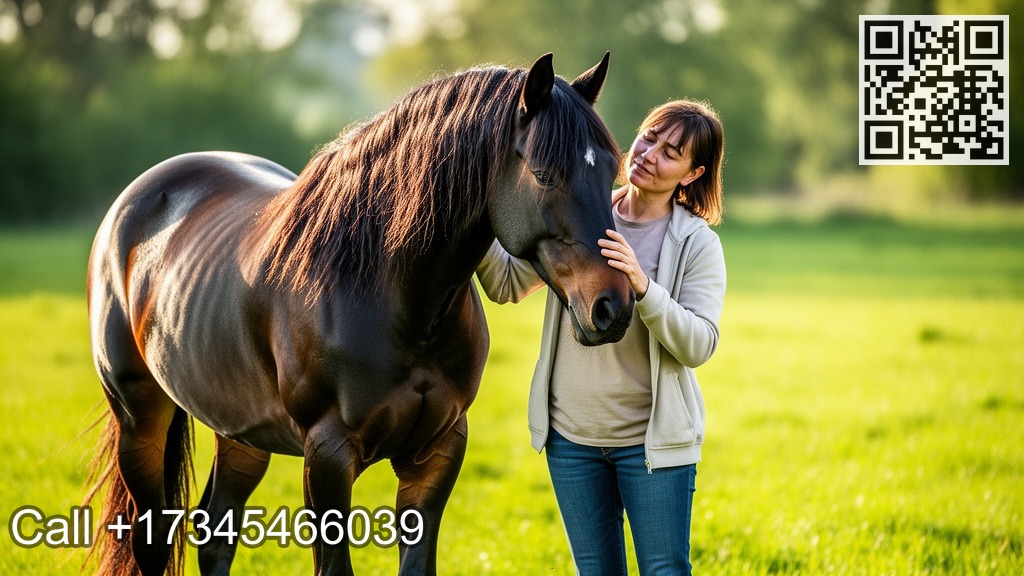
A customer in her forties, a software application engineer, came in with a profession win and a nerve system that would certainly not downshift. Sleep was light, jaw clenched, shoulders high. On her 2nd session, a small mare maintained tipping away during brushing. We reduced and noticed that my client's hand seemed like a job, not call. She stopped, softened her wrist, and waited. The mare sighed and leaned in. Two weeks later, the client told me she had attempted the exact same softening just before day-to-day code testimonials. The conferences accelerated, dispute went down, and her group began remaining after the telephone call to plan as opposed to bolt. The equine did not teach programming. The equine showed existence and pacing.
Getting started without pressure
If you wish to try this, do a low-stakes visit. View a session from outside the rail. Scent the hay. Notification the steed that makes your breast loosen or your shoulders lift. Take down an objective that suits one sentence, not a life overhaul. Something like rest with the night twice a week, really feel much less frenzied in morning traffic, or speak up when without rehearsing.
Then publication one session and allow it be exactly that, one block. You will likely leave dusty, a little exhausted in a great way, and amazed by just how much your body saw without words. If it is except you, you will understand. If it is, you will certainly feel the tug to come back.
The long view
I have actually seen grownups transform gradually and after that at one time with restorative horsemanship. Patterns soften. Selections open. Individuals bear in mind just how to relocate with instead of versus. Horses do not respect your return to, your follower count, or your elevator pitch. They care where your feet are, what your breath says, and whether your inside suits your outside. That is why this work, whether you call it healing horsemanship, equine-assisted solutions, or equine-assisted coaching, maintains its edge. It asks for honesty and supplies relationship.
If you stay with it, you will develop a peaceful skill set that travels. You will learn when to occupy space and when to provide it. You will certainly establish a few consistent devices you can make use of at 3 a.m. Or five minutes before a discussion. Your body will trust you a little bit much more. And an equine, somewhere, will yawn as you finally exhale.